During Black History Month, we celebrate the histories, cultures, and contributions of the African diaspora around the world. In Brazil, the African heritage is deep and multifaceted, especially in Rio de Janeiro, a city where the traces of the Bantu people can be found in various cultural, religious, and social manifestations. But what does this heritage mean and why should we remember it?
Who Are the Bantu People?
The Bantu people form one of the largest ethnolinguistic groups in Africa, originating from regions such as Angola, the Democratic Republic of Congo, Mozambique, and Zimbabwe. Between 1580 and 1850, it is estimated that about 75% of enslaved Africans brought to Brazil were of Bantu origin, which made their culture have a profound impact on the formation of the country.
Different from the Yoruba and Jeje groups, who arrived in greater numbers in the 18th and 19th centuries, the Bantu were the first enslaved Africans to disembark in Brazil. They brought with them not only their labor, but also their beliefs, traditions, and knowledge, which helped shape the Brazilian cultural identity.
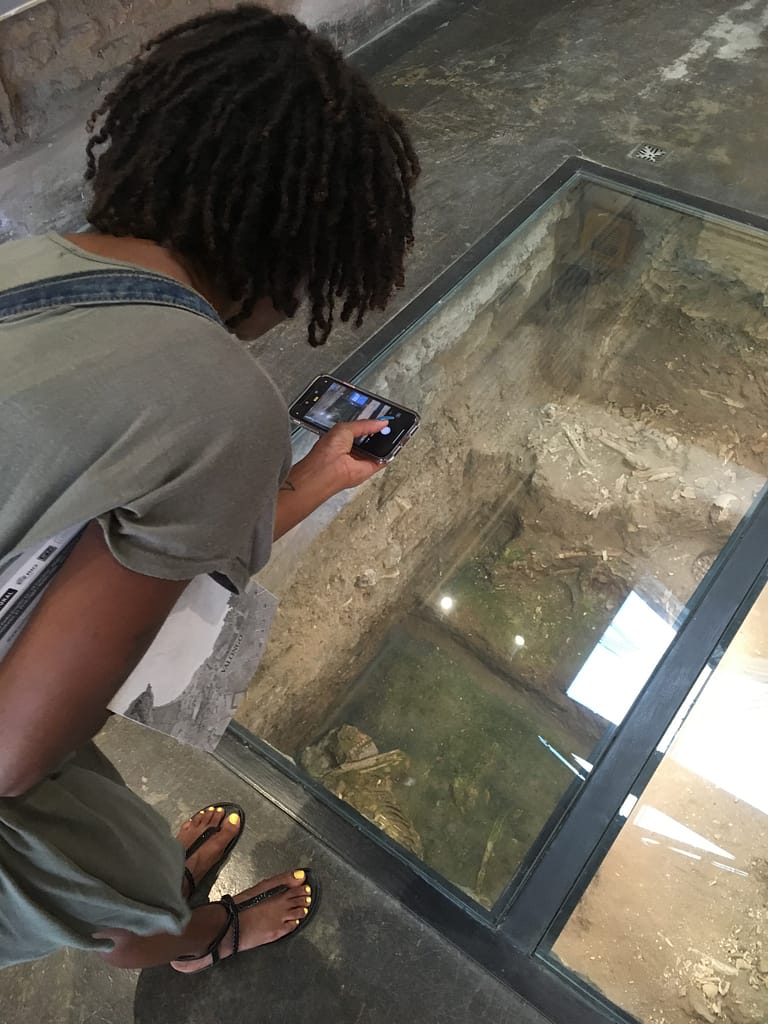
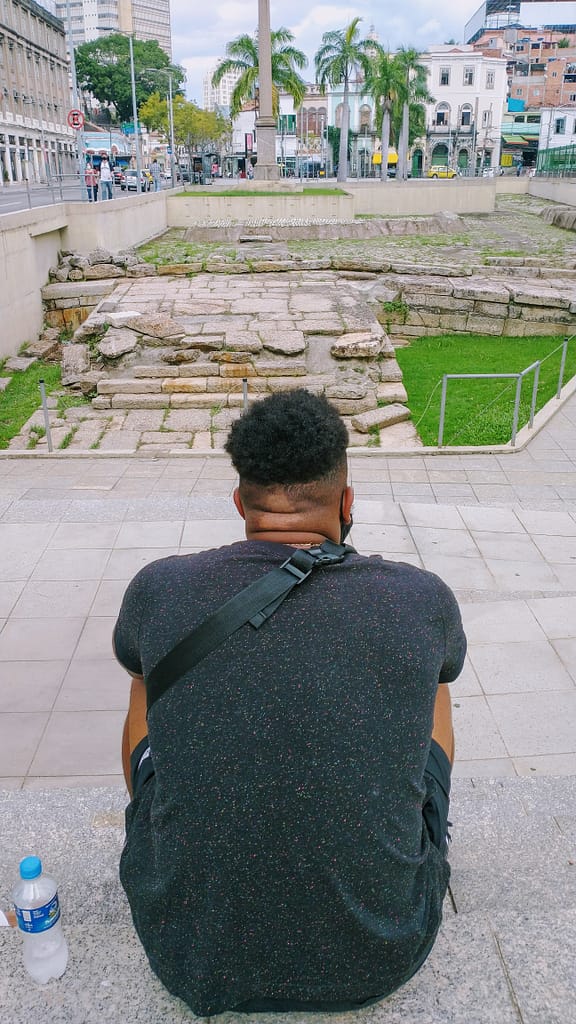
The Origins of the Bantu People
The Bantu people represent a vast ethnic-linguistic group, with origins in the central and southern region of Africa. During the tragic period of the transatlantic slave trade, many Africans of Bantu origin were brought to Brazil, contributing significantly to the formation of Brazilian culture. In Rio de Janeiro, this heritage manifests itself in various ways, from religious traditions, such as Candomblé, to the influence on cuisine, dance, and music.
Cultural Legacy in Rio de Janeiro
In Rio, the presence of the Bantu people can be felt in every corner. Here are some striking examples:
🔹 In the Language – Words like “moleque” (kid), “samba”, “marimbondo” (wasp) and “cafuné” (head scratch) have Bantu origins and are part of our daily lives.
🔹 In Music and Dance – Samba, one of Brazil’s greatest cultural symbols, has direct roots in Bantu rhythms, as does jongo, an ancestral dance preserved in the region of Vassouras, in the state of Rio de Janeiro.
🔹 In Gastronomy – Dishes like angu (a cornmeal porridge), which was a staple food of enslaved Africans and is still present in Rio’s cuisine, are direct heritages of the Bantu people.
🔹 In Resistance – The Bantu were pioneers in the creation of quilombos, communities of fugitive Africans who resisted slavery. The Quilombo da Pedra do Sal, in the heart of Rio de Janeiro, is one of the living examples of this legacy and one of the birthplaces of samba.
In the terreiros of Candomblé, for example, the orixás and rituals carry echoes of ancestral African traditions, many of which have roots in Bantu cultures. This spiritual connection not only preserves ancient cultural practices but also strengthens the sense of identity and belonging among the descendants of the diaspora.
In addition, the Bantu influence transformed the cultural scene of Rio into a vibrant and diverse mosaic. This fusion of African elements with the local culture created a unique identity, which continues to inspire new generations to celebrate their origins and resist historical narratives of marginalization.
The Role of the Bantu People in the Construction of Rio
The history of the Bantu people in Rio de Janeiro is marked by challenges and overcoming. Despite the adversities imposed by colonialism and slavery, these groups managed to preserve their traditions and profoundly influence the social and cultural formation of the city. From the slave quarters to the contemporary neighborhoods, the traces of the Bantu heritage intertwine with the history of resistance, creativity, and resilience that defines the Carioca (= people from Rio de Janeiro) spirit.
Walking through the streets of Rio, it is possible to feel this vibrant energy: the rhythm of the drums, the colors of the street parties, and the authenticity of the cultural manifestations are living testimonies of a heritage that has not faded with time but has become a legacy of beauty and strength.
Why Should This Be Remembered in Black History Month?
Throughout history, the influence of the Bantu people has often been marginalized, overshadowed by Eurocentric narratives that prioritized other African groups or minimized the depth of the Bantu contribution to Brazilian culture.
During Black History Month, rescuing this memory is an act of recognition and appreciation of a history that profoundly shaped Brazil and Rio de Janeiro.
Understanding the Bantu presence in Rio is not just an academic exercise, but an invitation to see the black roots in the city and celebrate the richness of a culture that survived slavery and continues to reinvent itself.
If you want to experience this history up close, Traveller XP offers experiences that delve into the Afro-Carioca culture, taking travelers to historical places, samba circles, and Candomblé terreiros, to feel the strength of this ancestry firsthand.
This Black History Month, celebrate, learn, and share the importance of the Bantu heritage in Rio de Janeiro. Because remembering is resisting!
Inviting You for a Journey of Discovery
At Traveller XP, we believe that traveling is a unique opportunity to reconnect with the roots and to experience stories that often go unnoticed. If you are passionate about culture, history, and authentic experiences, join us to explore Rio de Janeiro from a perspective that celebrates the heritage of the Bantu people and the richness of the African diaspora.
This Black History Month, we invite you to be inspired, to learn, and to be moved by the stories of resistance, creativity, and beauty that make Rio de Janeiro such a unique destination. Come discover the secrets and charms of a city that pulsates with the ancestral energy of the Bantu people – a trip that promises to transform the way you see the world.
Let’s celebrate together the history, culture, and strength of the black community. Long live Black History Month and the Bantu heritage in Rio de Janeiro!
This post is part of our ongoing commitment to honor and disseminate the stories that shape the Afro-Brazilian identity. Share with your friends and inspire more people to discover the transforming power of black culture.

black culture Black Heritage black travel black traveler Brazil diaspora expert tips Heritage Rio de Janeiro tour travel


Leave a Reply